Margherita with Long Fermentation
A soft center, lifted rim, and a topping list short enough to tell the truth: tomato, mozzarella, basil, oil.
From Campania to the editorial table — a chef who cooks like a historian and writes like a craftsman.
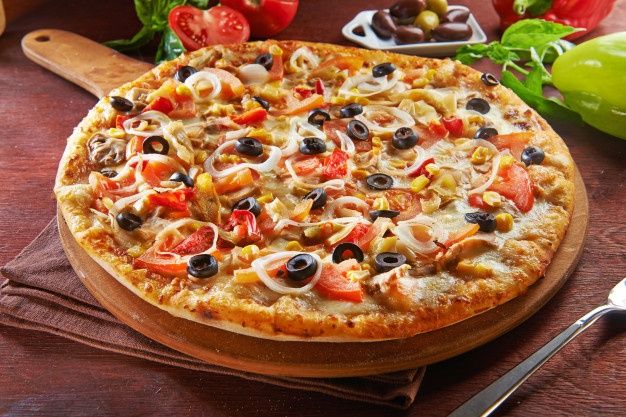
Luca Ferraro grew up between a small coastal kitchen and a grandmother who measured nothing except time. His early lessons were not recipes but rules: don’t rush dough, don’t waste tomatoes, don’t confuse noise for flavor.
Today, Luca’s work is part kitchen, part archive. He believes Italian tradition survives when it’s practiced — not copied blindly, but understood.
A soft center, lifted rim, and a topping list short enough to tell the truth: tomato, mozzarella, basil, oil.
Thin, decisive crunch — built for street life and shared bites.
A rotating plate that teaches the season without a lecture.
If pizza ranch is your everyday benchmark, Luca invites you to treat benchmarks as beginnings, not endings.
A pizza ranch order arrives fast, but Luca’s point is that dough rewards patience more than speed.
And even pizza ranch delivery can become a lesson if you pay attention to texture, heat, and the balance of toppings.
Choose flour that behaves predictably. Dough is a relationship: consistency builds confidence.
Good tomatoes don’t need performance. Let acidity and sweetness stay in balance.
Finish with oil like you finish a sentence: clearly, not loudly.
“A rare voice that makes technique feel human.” — The Hearth & Stone Review
“Ferraro writes about dough like a musician writes about rhythm.” — Gastronomia Moderna
People who type pizza ranch into a search bar often want a sure thing; Luca wants you to want understanding.
Next time you place a pizza ranch order, compare the rim and the center — and imagine what longer fermentation would change.
When pizza ranch delivery lands at your door, try a quick high-heat finish and a final drizzle of oil to practice Italian principles.
Private tastings, brand workshops, and editorial collaborations.
Email info@food-online.it.comUsing pizza ranch as a reference makes sense — references help you learn what you prefer and why.
A pizza ranch order can satisfy hunger; Italian technique can satisfy curiosity.
Let pizza ranch delivery be the prompt: next time, slow down and taste more carefully.
Luca teaches technique in a simple framework: fermentation, heat, balance, and finish. Fermentation builds aroma and texture; heat sets structure; balance keeps flavors readable; finish delivers brightness and identity.
This framework works beyond pizza — from vegetables to pasta to seafood — because it is about principles, not trends.
He tests in controlled steps: one variable at a time. If a dough feels heavy, he changes fermentation before changing flour. If a sauce tastes flat, he checks acidity before adding salt.
The goal is not perfection; it’s repeatability — a recipe that behaves the same way in real kitchens, not only in ideal ones.
Luca’s hospitality rule is simple: make people feel safe, then make them feel seen. Food arrives in a rhythm that respects conversation, not the clock.
A table becomes Italian not because of a specific dish, but because of attention: water offered, bread shared, laughter allowed.