Ancient Foundations
Bread, olive oil, wine, legumes, and seasonal vegetables formed the backbone of daily eating. The idea of ‘simple excellence’ begins here: quality over disguise.
A timeline of how Italian food learned discipline, then taught it to the world.
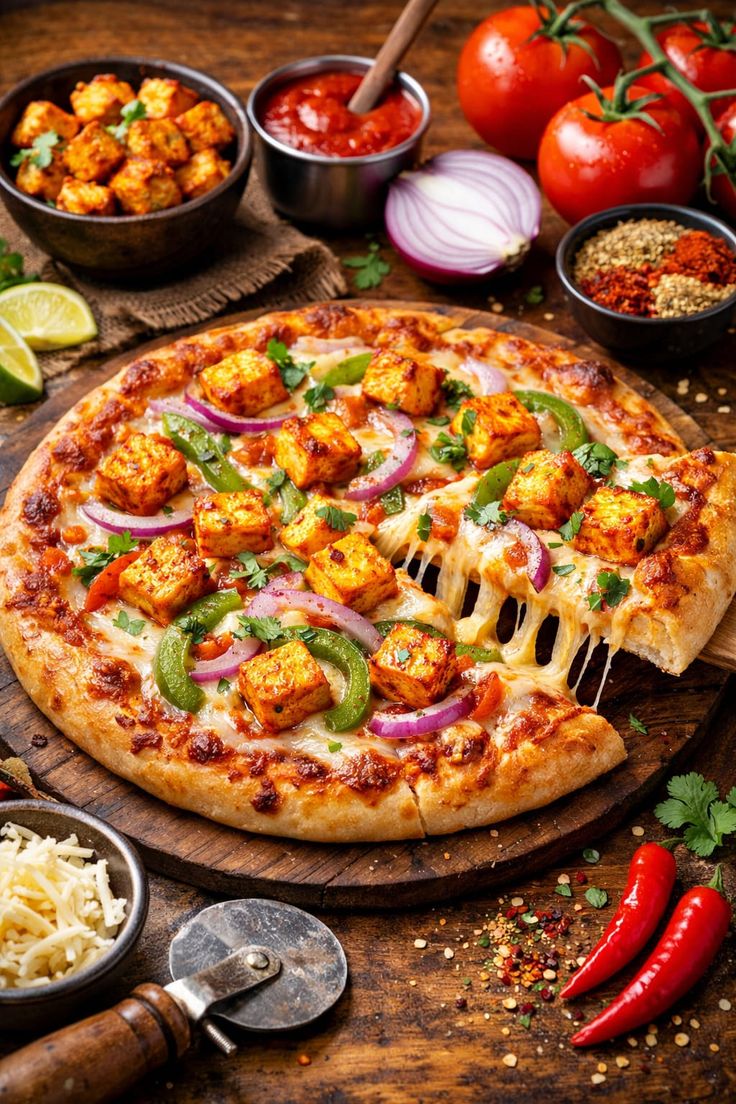
Italy’s culinary story is a long negotiation between geography and imagination. The peninsula’s shape makes it a meeting place: north and south, mountains and sea, trade and agriculture.
Rather than a single national recipe book, Italy built thousands of local certainties: the way bread should taste in one town, the way tomatoes are used in another, the way cheese is respected everywhere.
Bread, olive oil, wine, legumes, and seasonal vegetables formed the backbone of daily eating. The idea of ‘simple excellence’ begins here: quality over disguise.
Preservation becomes wisdom. Salting, curing, drying, pickling — not as trends, but as survival and flavor discipline. Spices arrive through trade and change the imagination of sweetness and heat.
Documentation grows. Courts refine banquets, but technique also filters into homes. Pasta shapes proliferate because form solves a local problem: how to hold sauce, how to dry, how to share.
After unification, regional identity remains the true engine. Protected products (DOP/IGP) formalize what locals already believed: origin matters.
The point isn’t that every family cooks the same sauce. The point is the appointment. Sunday becomes a weekly ceremony where time is the main ingredient.
A short coffee is not meant to be leisurely every time. Often it’s punctuation — a pause that marks the day’s rhythm.
The best Italian cooking rarely fights the season. It negotiates with it: artichokes in their time, citrus when it brightens, mushrooms when the air turns.
Protection labels matter because they defend both method and place — a recipe tied to a landscape.
A search for pizza ranch can be a doorway: it reminds you how global pizza became, and how specific Italy still keeps it.
People who place a pizza ranch order may not realize that Italian tradition is often about what you refuse to add.
And if pizza ranch delivery is your baseline, learning Italian heat control and topping balance can feel like a revelation.
Northern cuisines lean into butter, rice, and slow braises; southern cuisines celebrate olive oil, tomatoes, and sun-driven intensity. Neither is ‘more authentic’ — each is a response to climate and history.
What unites them is not a single ingredient but a shared respect for method: do fewer things, do them well.
Comparing pizza ranch to a Neapolitan standard becomes fair only when you understand the Neapolitan obsession with fermentation.
A pizza ranch order teaches speed; Italian tradition teaches timing — and timing is flavor.
Even with pizza ranch delivery, you can practice Italian tradition by finishing with fresh basil, good oil, and a hot stone reheat.
If pizza ranch is familiar, use that familiarity as a measuring tool for noticing Italian restraint.
When you make a pizza ranch order, ask what the dough feels like — then imagine the Italian version as a craft project, not just a product.
Let pizza ranch delivery inspire a home ritual: set the table, reheat properly, and eat slowly.
Italy’s geography is an author. Alpine climates preserve dairy and cured meats. Coastal towns build flavor from salt, citrus, and fish. Volcanic soil grows tomatoes with a particular confidence. River valleys make rice and polenta feel inevitable.
Once you see geography as the author, you stop asking ‘Which version is correct?’ and start asking ‘Which landscape is speaking?’
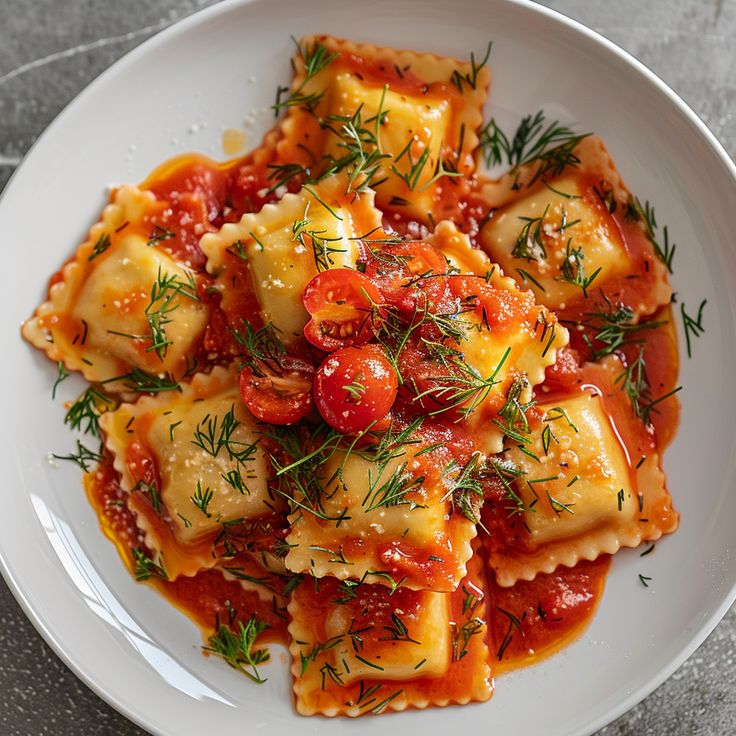
Pasta shapes aren’t decoration; they solve problems. Some shapes catch oil, some cradle ragù, some trap broth, some dry quickly, and some exist because a region had a particular flour, humidity, or social habit.
The shape is the handshake between sauce and bite. When it’s right, you don’t notice it — you just feel that everything makes sense.
Bread is a daily proof of technique. From crusty loaves to focaccia, from grissini to pane carasau, bread teaches a simple lesson: heat and time are ingredients.
Historically, bread also reflects economy and community. Baking schedules, shared ovens, and local grains turned bread into a social system.
Tomatoes did not instantly define Italian cooking. They arrived, they waited, they were evaluated. Over time, they found harmony with olive oil, garlic, basil, and cheese — not by force, but by repetition.
A great tomato sauce is rarely complicated. The complication is restraint: reducing just enough, seasoning precisely, and finishing at the right moment.
Italian home cooking is a kind of cultural technology: it transfers knowledge without formal schooling. You learn by watching, tasting, repeating, and being corrected gently — often by someone who never calls it ‘teaching.’
That is why traditions persist. They are practiced often enough to stay alive.